

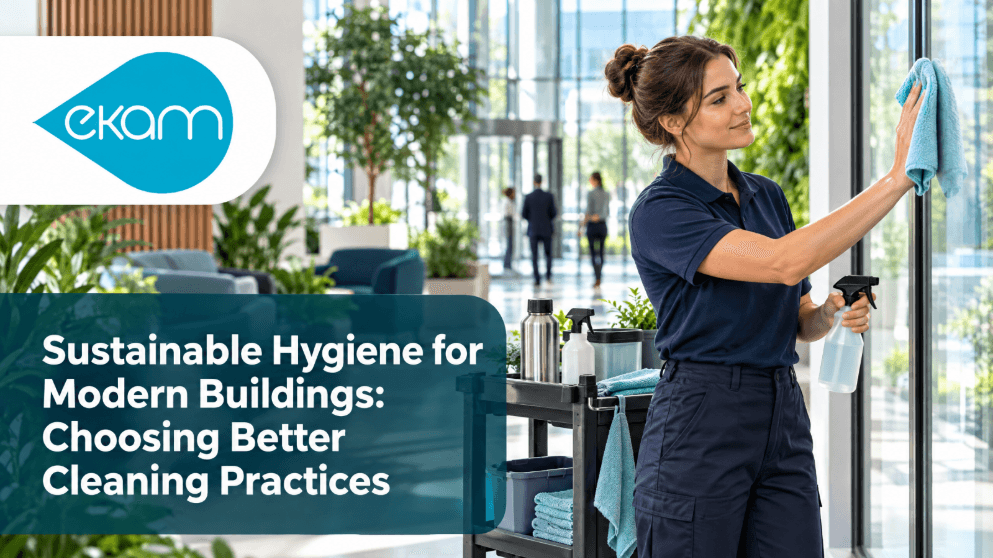
Sustainable Hygiene for Modern Buildings: Choosing Better Cleaning Practices
Clean homes, offices and public buildings support comfort, appearance and hygiene. At the same time, cleaning practices influence product use, packaging waste, indoor conditions and what eventually enters wastewater systems. Sustainable cleaning means choosing a product that suits the task, following its instructions, using only the amount needed and reducing waste where practical. It does not mean assuming that every product described as natural is automatically harmless or effective. A responsible approach combines clear product information, staff training, appropriate equipment and a cleaning schedule based on the needs of the space.
Match the cleaner to the surface
Different surfaces have different care requirements. Ceramic tiles, natural stone, sealed wood, laminate, glass and stainless steel may respond differently to the same formulation. Read the product label and the flooring or surface manufacturer’s guidance before use. Natural stone, for example, can be sensitive to acidic cleaners, while some wood and laminate surfaces can be damaged by excess moisture. Test a new product on a small, inconspicuous area if the manufacturer recommends it. Selecting the right cleaner reduces the risk of damage and avoids repeat work.
Follow dilution and contact-time instructions
Using more product than recommended does not necessarily improve cleaning. Excess cleaner can leave residue, increase costs and create additional rinsing needs. Measure concentrates accurately and use suitable dispensing systems where possible. Follow the specified contact time when a product is intended to disinfect, and do not dilute it unless the label directs you to do so. Never mix cleaning products unless the manufacturer explicitly says the combination is safe. Keep chemicals in their original labelled containers and store them away from children, food and incompatible materials.
Evaluate ingredients and environmental claims
When comparing products, look for transparent ingredient information, clear directions, appropriate safety documentation and evidence supporting performance claims. Broad labels such as “green,” “natural” or “eco-friendly” do not explain every aspect of a formulation. Consider the intended use, the amount required, packaging, transport and disposal instructions. Concentrated products or refill options may reduce packaging in some situations, but only when they can be handled, stored and dispensed safely. Facilities should avoid unsupported claims and select products based on documented needs rather than marketing language alone.
Create a practical cleaning schedule
A written cleaning plan helps staff understand which areas need attention, how often tasks should be completed and which products and tools are suitable. High-touch surfaces and washrooms may require different procedures from low-use areas. In healthcare, food-service and other sensitive settings, follow applicable infection-prevention and sector-specific requirements. Use checklists that are easy to complete and review them periodically. A schedule also helps managers estimate inventory, avoid over-ordering and identify recurring problems such as persistent soil or odour.
Use tools and water efficiently
Microfibre cloths, suitable mops, well-maintained equipment and controlled dosing can support effective cleaning when used correctly. Reusable tools should be laundered and stored according to hygiene requirements so that they do not spread contamination from one area to another. Use only the water needed for the task and prevent cleaning water from entering places where it does not belong. Wet-floor signs and safe work practices remain essential because efficient cleaning should not increase slip or exposure risks.
Reduce packaging and prevent waste
Check inventory before placing orders so that products do not expire unused. Where practical, select packaging that can be handled through local recycling or take-back systems. Follow local rules for disposal, and never pour concentrated chemicals into drains unless the product instructions and local requirements permit it. Staff should know how to respond to spills and where to find safety information. These steps help reduce avoidable waste while protecting workers and building occupants.
Consider the needs of different environments
A home, office, hotel, school and healthcare facility do not have identical cleaning requirements. The right product and process depend on the surfaces, the type of soil, how often the area is used and any specific hygiene rules. In healthcare or food preparation areas, follow the facility’s infection-prevention procedures and the product label carefully. In ordinary office spaces, a well-planned routine may reduce unnecessary repeated cleaning while still addressing high-touch areas. Sustainable choices should be based on the real task and its required outcome, not on a one-size-fits-all checklist.
Train staff and review results
Cleaning teams should know which product is approved for each task, how to measure it, what protective equipment is required and how to report a spill or damaged container. Short refresher sessions can prevent common mistakes, particularly when products or procedures change. Supervisors can review consumption, cleaning outcomes, complaints and stock levels to see whether the routine is working. If a surface remains dirty or develops residue, investigate the method, tool, dilution and frequency before increasing the amount of chemical used. Consistent training improves safety and helps reduce unnecessary product waste.
Conclusion
Sustainable hygiene is achieved through effective cleaning, informed product selection, correct dosing and consistent training. The right approach depends on the building, surfaces, users and hygiene requirements. For practical advice on selecting products for different flooring materials, read Best Floor Cleaner in India: Complete Guide for a Hygienic, Fresh & Germ-Free Home. You can also learn more about Ekam Eco Solutions’ hygiene and water-saving focus at Ekam Eco Solutions.